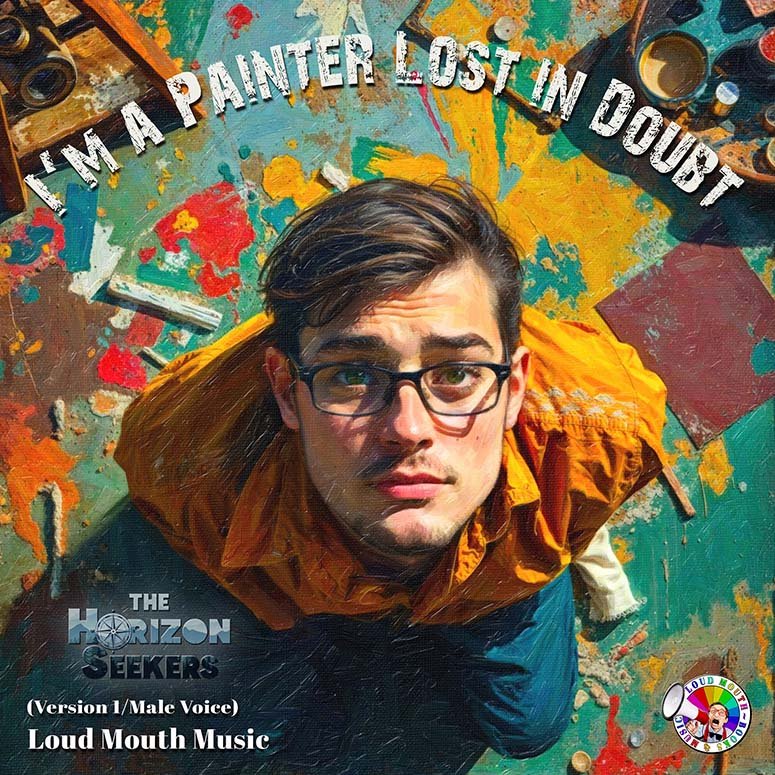
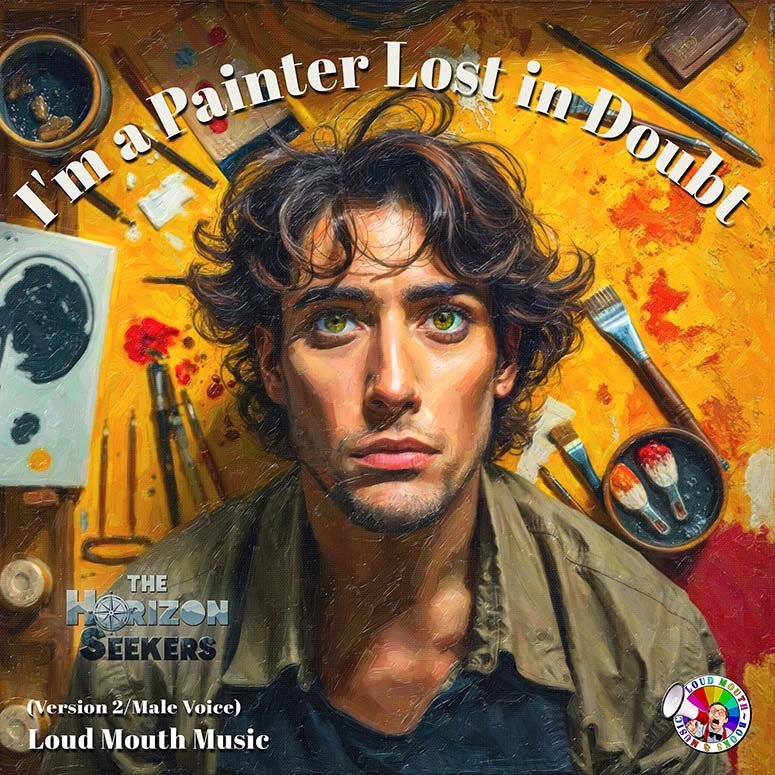
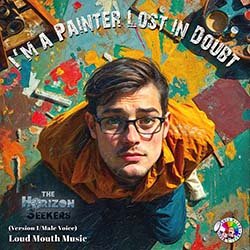
I wrote "I'm a Painter Lost in Doubt" about the moment an artist realizes the thing killing the work is not a lack of talent but an audience. The painter in this song can still paint. What he cannot do is paint while the gallery walls are demanding his name, the dealer is pricing what he became, and the critics are circling. A blank canvas is only terrifying when somebody is waiting to buy what goes on it. That is a very specific kind of paralysis, and I do not think it belongs only to painters. Anyone who has ever made something and then watched it get valued by people who did not make it knows exactly what that white canvas feels like.
The story behind the song is the turn in the middle, when he stops trying to guess what they want. He does not get rescued and nobody gives him permission. He simply reaches the end of what he is willing to trade away, and the paint starts hitting the floor. I wanted that breakdown to be the quietest part of the whole song, just a man saying he is still here, still creating, still burning, still himself. That is the actual victory. Everything loud that follows is only the sound of a decision that was already made in the silence. The canvas at the end is blank again, exactly like it was at the beginning, but now it reads as morning light instead of winter snow. Nothing changed except who he is painting for.
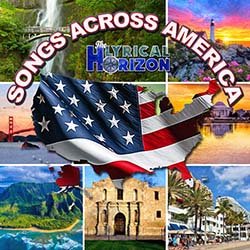
Songs Across America has an Optimistic Humanism thread running through it, and this song sits close to the center of that idea. This country has always been very good at telling people their worth is whatever the market will pay, and very bad at admitting how much gets lost when we believe it. I wrote this one for the people still making things anyway, in spare rooms and garages and off-hours, without a dealer or a deadline or anyone circling. I hope they hear their own stubbornness in it. Most of all I hope it says the thing the final chorus is trying to say, that the chains and the tools are made of the same material, and that what you refuse to sell is not the part of you that failed. It is the part that survived.
Cathartic alt-rock with modern indie polish and a late-nineties dissenting spirit. A gritty 86 BPM groove opening in A minor and pushing into D mixolydian for the choruses, built on muted palm guitar, dry kick, tape-saturated bass, and tremolo Rhodes, detonating into wide-panned distorted guitars and floor-tom heartbeats. Raw half-spoken verses give way to a frayed, fuzz-doubled belt, with a stripped upright-piano bridge and an e-bow climb through the final chorus.
Artistic autonomy and integrity, impostor syndrome and creative paralysis, the corrosive pressure of commerce and criticism, defiance and self-reclamation, and the rebirth that comes from making work for yourself rather than for approval.
Primary Subject:
A painter frozen in front of a blank canvas by expectation and commerce, and his refusal to keep making work for people who only want to sell it.
Mood:
Anguished, claustrophobic, and defiant. Bitter and self-doubting at the opening, breaking into rage and release, and closing on something raw, cleansed, and quietly triumphant.
Creative worth is not determined by what the market will pay for it. Reclaiming your own vision from critics, dealers, and deadlines is not a failure to succeed but the beginning of making anything true, and the part of yourself you refuse to sell is the part worth keeping.














.jpg)