"Resting in The Arms of a Northwest Wind©"
Release Date: May 24th, 2026
Lyrics by M. S. McKenzie | Performed by Songs Across America, Protected by Copyright
~ Associated State Links ~
"Resting in The Arms of a Northwest Wind"
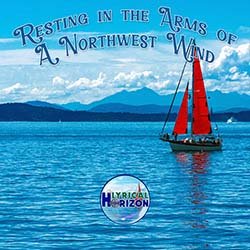
I wrote "Resting in the Arms of a Northwest Wind" for the specific relief of sailing directly away from someone's ultimatums, letting the dock lines fall away like trouble from my mind, and I wanted the whole song to move at the pace of that release, the sound of her ultimatums starting to fade the further out into Puget Sound the boat gets.
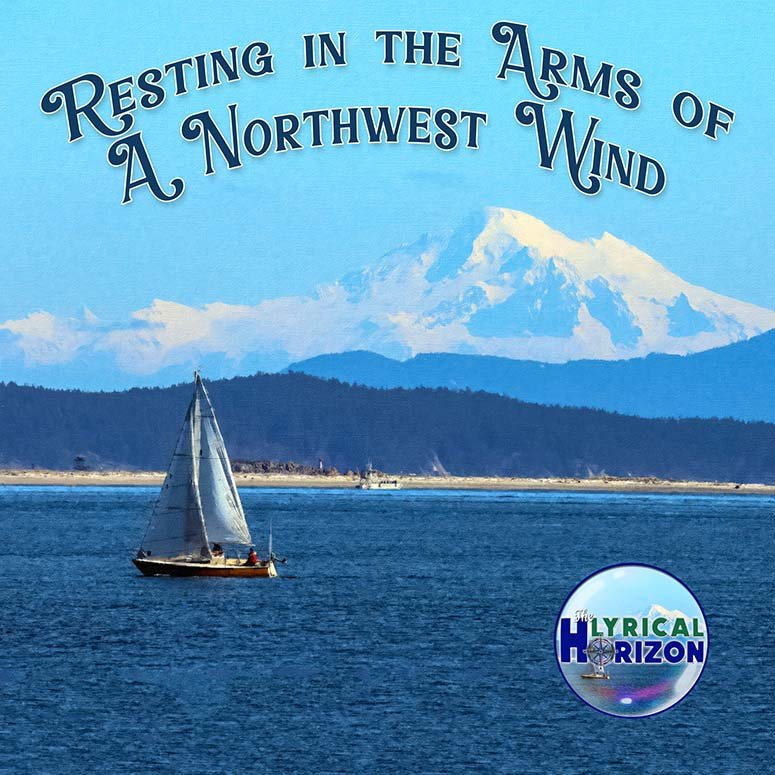
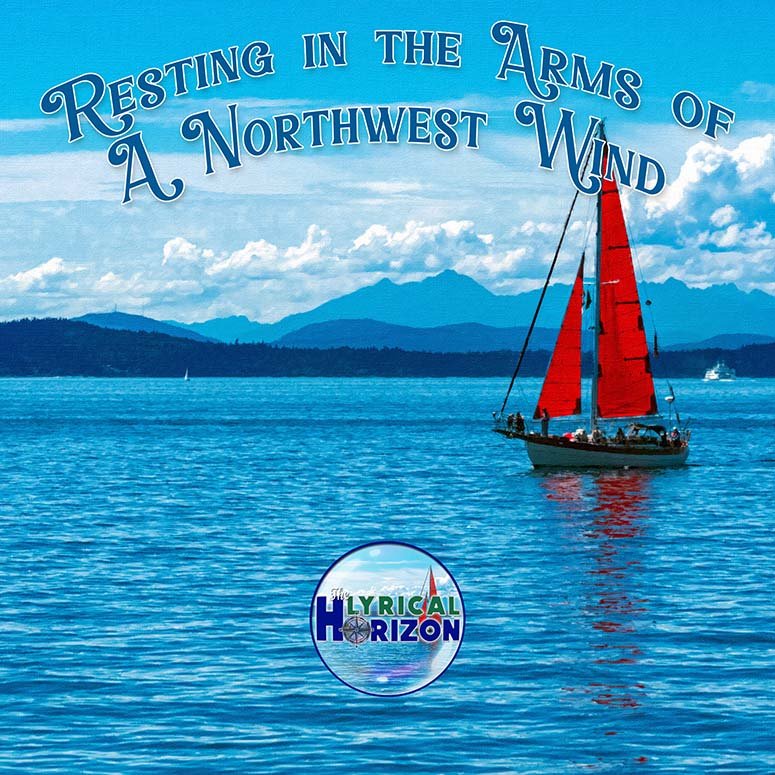
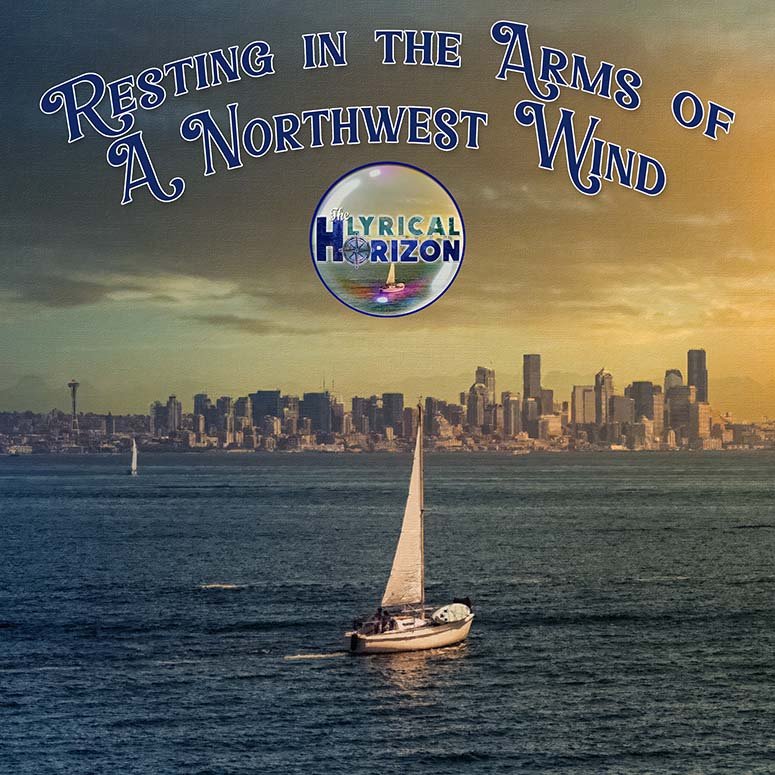
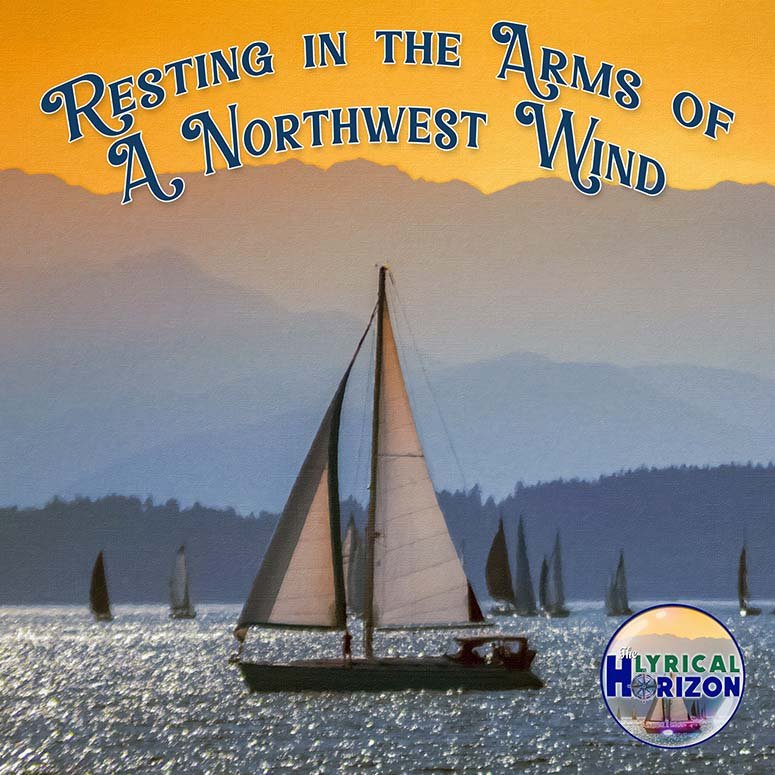
The story behind the song is how much I let the Pacific Northwest itself do the healing, ferries moving westward, islands thick with spruce, Olympic peaks reflecting glory, the Cascades standing guard in the distance. I wanted the world to grow visibly wider than the lies he'd been carrying, because sometimes the antidote to somebody else's small, controlling version of your life is simply more physical space to see past it.
What I care about most is the chorus's refusal to explain itself, I don't need a reason to be, I don't need to have the answers, because I wanted this song to be about release rather than resolution. Songs Across America has plenty of songs about people working through heartbreak toward some hard-won understanding. This one is for the simpler relief that comes before all that, the moment the sail fills and you don't have to explain anything to anyone anymore.
Breezy, atmospheric folk-rock built on a wide, unhurried chorus, structured as a solo sailing journey through Puget Sound's islands and mountains.
Escape from a controlling relationship, Puget Sound and the Pacific Northwest as liberating landscape, release without needing resolution, and freedom found in physical distance.
Primary Subject:
A person sailing away from Everett through Puget Sound, releasing themselves from a controlling relationship.
Mood:
Relieved, expansive, and quietly liberated throughout.
Sometimes healing doesn't start with understanding what went wrong, it starts with simply getting enough distance and open water between yourself and what was controlling you, and that release alone can be enough for a while.
[Instrumental opening intro]
[Verse 1]
I left Everett in the morning
With the harbor lights behind
Let the dock lines fall away
Like trouble from my mind
There were gulls above the breakwater
There was silver on the bay
And the sound of her ultimatums
Started fading far away
I carried her shadow like a burden
I wore it like a second skin
Then the sail filled soft above me
As I drifted into the Northwest wind
[Chorus]
And I'm sailing where water meets sky
Where mountains rise and pain dies
I don't need a reason to be
I don't need to have the answers
I'm just leanin' into the setting sun
Resting in the arms of a Northwest wind
[Verse 2]
Past ferries movin' westward
Past islands thick with spruce trees
I could feel the world grow wider
Than the lies she kept from me
Olympic peaks reflected glory
In the late autumn afternoon
And the Cascades stood guard
Under a pale white moon
Rainier rose in the southern sky
Like a god above the land
And finally, I stopped searching
For pearls thrown in the sand
[Extended, Instrumental Breakdown
with piano, drums and saxophone]
[Verse 3]
Everybody has their voices
Everybody has their claims
They can talk about forgiveness
They can call me lots of names
But I only hear the water
And the turning of the tide
There's a quiet place inside me
Where I don't have to hide
I got lost inside her thunder
And washed away by her rain
Now the Sound rolls out before me
And I'm comin' home again
[Bridge]
There's freedom in the silence
There's mercy in the blue
There's a way the world can hold you
When a heart lets go of you
I don't have any questions
I don't need to speak my mind
I only go where the wind blows
Resting in the arms of a Northwest wind
[Final Chorus]
And I'm sailing where water meets sky
Where mountains rise and pain dies
I don't need a reason to be
I don't need to have the answers
I'm just leanin' into the setting sun
Resting in the arms of a Northwest wind
[Outro]
Now the shoreline fades behind me
And the evening opens wide
There's a peace I almost lost there
Still alive upon the tide
While the world keeps talkin' at me
I won't let their voices in
I have found my own horizon
In the arms of a Northwest wind
[Instrumental Outro
"Resting in the Arms of a Northwest Wind" is a reflective, cinematic folk-pop song set against the vast and healing beauty of Puget Sound. Beginning in Everett, Washington, the song follows a man as he leaves the harbor behind after escaping a damaging relationship marked by manipulation, ultimatums, emotional confusion, and control. Rather than treating the breakup as a source of bitterness, the song transforms that pain into motion. The act of sailing becomes an act of surrender: the dock lines fall away, the harbor recedes, and the narrator allows the wind, water, mountains, and open sky to carry him toward a deeper kind of freedom.
The opening verse establishes the physical and emotional departure with quiet precision. Everett's harbor lights, gulls over the breakwater, and silver water on the bay create a scene that feels grounded in the Pacific Northwest, while the fading "sound of her ultimatums" reveals the emotional weight the narrator is leaving behind. The line about carrying her shadow "like a burden" and wearing it "like a second skin" suggests that the relationship had become so consuming that pain felt almost inseparable from identity. But when the sail fills above him, the song shifts from confinement to release. The Northwest wind becomes the first sign that something larger, gentler, and more honest is waiting for him.
The chorus opens the song into its central emotional landscape. "Where water meets sky / Where mountains rise and pain dies" captures the grandeur of Puget Sound while also framing the setting as a place of spiritual renewal. The narrator is no longer trying to justify his existence, explain himself, or solve every wound intellectually. He does not need "a reason to be," nor does he need "the answers." Instead, he leans into the setting sun and rests in the arms of the wind. This is the heart of the song: peace arrives not through argument, revenge, or explanation, but through surrender.
Verse two expands the journey across the Sound with vivid regional imagery. Ferries move westward, islands rise thick with spruce trees, and the world grows wider than the lies he was forced to live inside. The Olympic Mountains, the Cascades, and Mount Rainier give the song a breathtaking visual scale. Rainier "like a god above the land" is one of the boldest images in the lyric, suggesting not only natural grandeur but an almost mythic presence watching over the narrator's transformation. The closing image of no longer searching "for pearls thrown in the sand" is especially effective. It suggests he has stopped trying to recover something precious from a relationship that scattered, buried, or wasted what he gave.
The extended instrumental breakdown is a smart structural choice. With piano, drums, and saxophone, it gives the song room to breathe and lets the listener experience the journey without words. This section can function almost like the open-water passage itself: the boat moving farther from shore, the emotional noise dropping away, and the grandeur of the Sound taking over. The saxophone, in particular, could add a wistful, late-1960s/early-1970s studio-pop color, especially if played with restraint rather than bluesy aggression. It should feel like sunlight on water, not nightclub smoke.
Verse three brings the song into direct conversation with its inspiration without becoming imitation. "Everybody has their voices / Everybody has their claims" and the later outro line "While everybody's talkin' at me" acknowledge the emotional world of public noise, judgment, and unwanted opinion. But this narrator has changed. He is no longer listening to the people who want to define him, accuse him, or pull him back into the drama. He listens only to "the water / And the turning of the tide." The song's psychological breakthrough happens here: he discovers "a quiet place inside me / Where I don't have to hide." That line gives the entire song its deepest human meaning. The journey across Puget Sound is also a journey back into a self that had been buried beneath someone else's thunder and rain.
The bridge deepens the song's philosophy. "There's freedom in the silence / There's mercy in the blue" is beautifully simple and emotionally mature. It recognizes that healing does not always come from confrontation. Sometimes it comes from quiet, distance, and the mercy of a world that is still beautiful even after heartbreak. The narrator does not need to speak his mind, prove his case, or win the argument anymore. He follows the wind. That is not passivity; it is liberation.
The final chorus returns with greater emotional clarity. By this point, the repeated phrase "Resting in the arms of a Northwest wind" has become the song's mantra. It represents safety, movement, faith, and release all at once. The outro then completes the arc: the shoreline fades, evening opens, and the peace he nearly lost is still alive upon the tide. The final lines are revelatory. The voices of the world may still be talking, but they no longer have access to him. He has found his own horizon.
Musically, this song calls for a vintage-inspired arrangement rooted in bright acoustic guitar, warm bass, light drums, piano, tasteful saxophone, and restrained orchestral or chamber-pop accents. The vocal should be intimate, clear, and emotionally controlled, closer to someone breathing freely again than someone pleading for sympathy. The song should move with the easy forward motion of a sailboat in steady wind: not rushed, not heavy, but alive with momentum. The instrumental sections should emphasize openness, salt air, water, and autumn light, while the final outro should feel quietly triumphant.
At its core, "Resting in the Arms of a Northwest Wind" is a song about escaping emotional captivity without becoming hardened by it. It is about choosing peace over argument, movement over paralysis, and wonder over resentment. Set against the magnificent scenery of Puget Sound, the Olympic Mountains, the Cascades, and Mount Rainier, it becomes both a personal healing story and a tribute to the Pacific Northwest as a place where the soul can breathe again.
























.jpg)